Computer Science and Engineering with a specialization in Artificial Intelligence and Machine Learning
Why Choose CSE AI & ML at ACE?
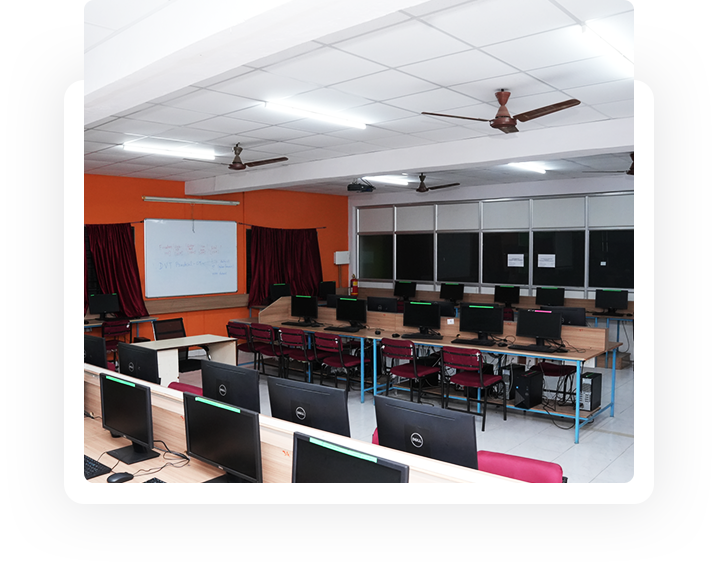
The Department of Computer Science and Engineering (Artificial Intelligence & Machine Learning) at ACE was established to address the rising demand for intelligent systems professionals. This specialised B.Tech programme blends strong computing fundamentals with practical training in AI, machine learning, and data-driven technologies. With advanced labs, GPU infrastructure, and a dedicated Centre for AI & ML, students gain real-time exposure to tools like Python, TensorFlow, and cloud platforms.
Backed by expert faculty and a structured placement training program, the department equips graduates for roles in data science, automation, and intelligent systems—while nurturing innovation, ethics, and lifelong learning.
Accreditation


Vision & Mission

Our Vision
To be a centre of excellence in Artificial Intelligence and Machine Learning education, research, and innovation, producing globally competent professionals who drive the future of intelligent systems.Our Mission
- Deliver an industry-relevant curriculum with strong foundations in AI, ML, and core computing principles through advanced labs and expert faculty.
- Prepare students for successful careers and higher studies in AI-related domains through hands-on learning and problem-solving.
- Encourage innovation, research, and entrepreneurship in intelligent technologies, aligned with global standards.
- Instill lifelong learning, ethical values, and societal responsibility among future AI professionals.
Program Education Objectives
Program Outcomes (POs)
- Engineering Knowledge
Apply principles of computing, mathematics, and AI techniques to solve complex real-world problems. - Problem Analysis
Identify and analyse data-driven challenges using algorithmic, statistical, and model-based approaches. - Design/Development of Solutions
Design intelligent systems and ML models that meet user needs within ethical, legal, and societal boundaries. - Investigation of Complex Problems
Use research methodologies to explore, evaluate, and refine data models and AI solutions. - Modern Tool Usage
Employ modern tools such as TensorFlow, Python, R, and cloud platforms for AI/ML system development and evaluation. - The Engineer and Society
Assess the broader impact of AI systems on privacy, fairness, and societal outcomes. - Environment and Sustainability
Promote responsible AI practices that support sustainable and inclusive technological development. - Ethics
Commit to ethical AI development, transparency, and responsible decision-making. - Individual and Team Work
Function effectively in multidisciplinary AI/ML teams and collaborative research projects. - Communication
Present complex AI-driven insights clearly through reports, dashboards, and visualizations. - Project Management and Finance
Apply project management tools and methods in developing scalable and impactful AI solutions. - Lifelong Learning
Pursue continuous learning in rapidly evolving AI and machine learning fields.
Program Specific Outcomes (PSOs)
- Design and implement machine learning models using industry-standard frameworks to solve real-time problems across sectors.
- Apply AI techniques such as natural language processing, deep learning, and computer vision in practical applications.
- Demonstrate ethical responsibility and domain awareness in deploying intelligent systems at scale.
Faculty & Research

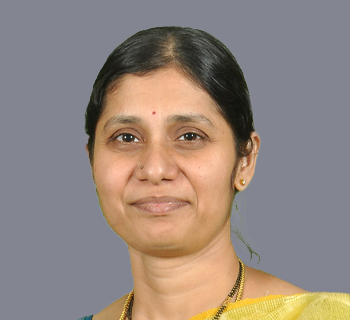


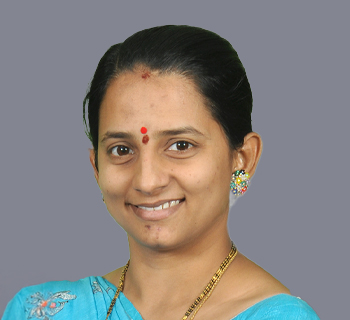











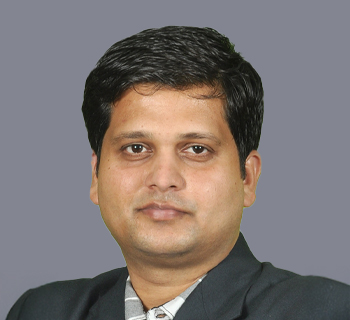

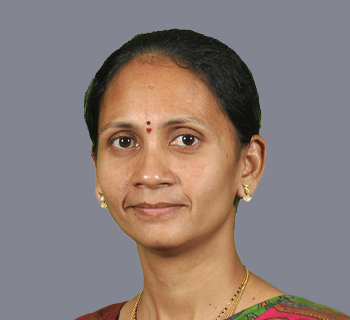






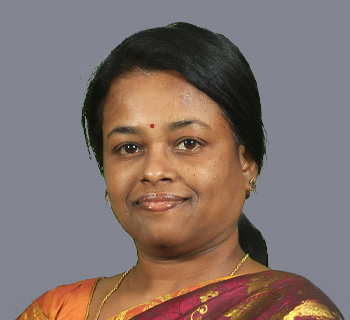
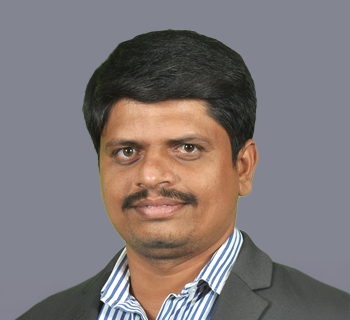
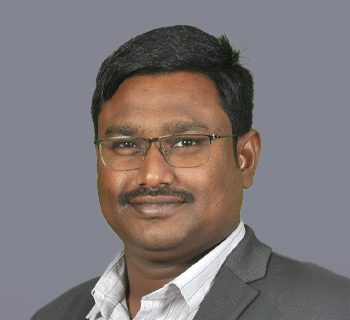
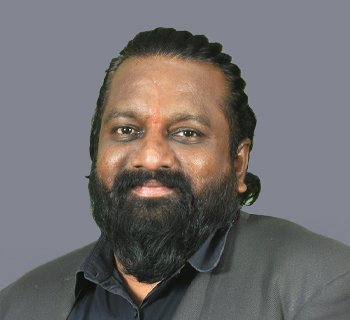
Infrastructure & Labs
The department houses cutting-edge facilities for immersive learning and research:
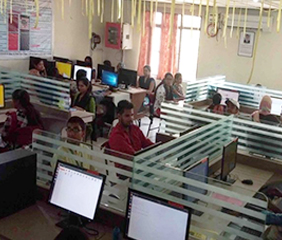
AI & ML Lab: Equipped with GPUs, development frameworks (TensorFlow, PyTorch), and real-time project support for training ML models.
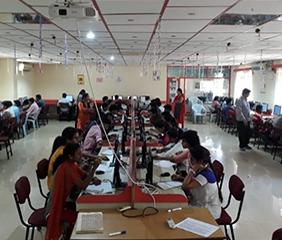
Data Science Lab: Offers tools for data preprocessing, visualization, and analytics using platforms like R, Python, and Power BI.
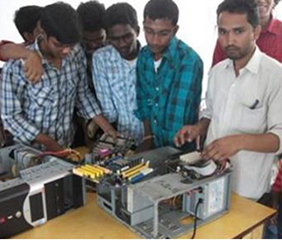
Cloud Computing & Big Data Lab: Enables AI integration with cloud platforms (AWS, Azure) and scalable data solutions.
Research & Innovation Hub: A dedicated space for capstone projects, research papers, and AI product development under expert mentorship.

92+
Campus Interviews Conducted

156+
Campus Interviews Conducted

31+
Campus Interviews Conducted

500+
Campus Interviews Conducted
Our Tap Recuiters







Advisory Board Members
Head of the Department
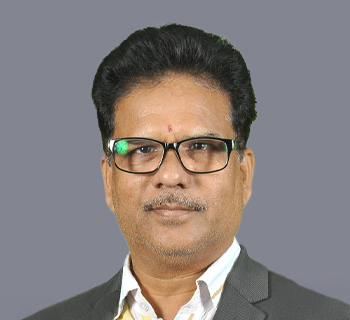
Dr. S. Kavitha
Head of the Department ChairmanDr.K Adi Narayana Reddy
Assoc Prof. of DS and AI , ICFAI, Foundations of Higher Education Subject Experts from outside JNTUHMs. Nallabelli Bhavani
Software Engineer , ZenQ AlumniDr. K. Shahu Chatrapati
Professor & Addl. Controller of Examinations, CSE, JNTUH-UCEJ, Hyderabad, JNTUH NomineeMr.B. G. Srinivas
Senior Software Manager, ORACLE, Hyderabad Expert on Trending TechnologyDr.B.Sujatha
Assistant Professor of CSE Osmania University, Hyd
Subject Experts from outside JNTUH
Mr. Durga Naveen Kandregula
Founder & CEO, Coign Consultants Pvt Ltd. Industry/ Corporate Sector RepresentativeInternal BOS Members:
Dr.T.Srinivasa Rao
Professor Member SecretaryMr. Shashank Tiwari
Asst. Professor Internal MemberMr.K.Kishan
Asst. Professor Internal MemberMrs. K.Swetha Sailaja
Asst. Professor Internal MemberMrs.P.Kamakshi Thai
Asst. Professor Internal MemberMr.R.Rajesh
Asst. Professor Internal MemberMr. C.V.Ajay Kumar
Asst. Professor Internal MemberRoll Of Honour

PUTNALA SRAVYA
H : No : 20AG1A6648

PAMUJULA LAKSHMI PRIYA
H : No : 20AG1A6646

KORAPALA SUSHMA
H : No : 20AG1A6632

KASA DEEPIKA
H : No : 20AG1A6628

BATTU RASHMITHA
H : No : 20AG1A6608

AILENI ANILKUMAR
H : No : 20AG1A6603

K V S SAI PREM KUMAR
H : No :20AG1A6622

PADAM SINDHU
H : No : 20AG1A6645

MARAGONI BHAVYA
H : No : 20AG1A6638

ALLAM AKSHITHA
H : No : 20AG1A6605
Events & Activities
No upcoming events found.