Humanities & Basic Sciences
Why Choose Humanities & Basic Sciences at ACE?
The Department of Humanities & Basic Sciences (HBS) at ACE Engineering College serves as the academic foundation for all undergraduate engineering programmes. Acting as a bridge between pure sciences and applied engineering, the department plays a crucial role in shaping the analytical, scientific, and communicative competencies of first-year students.
Subjects offered span across Mathematics, Physics, Chemistry, English, Economics, and Environmental Studies—establishing the essential concepts and tools required for advanced engineering education. The department supports this with well-equipped laboratories in Physics, Chemistry, and English Communication. In addition to technical grounding, the HBS department also introduces students to ethics, entrepreneurship, and professional values in later years. With a qualified team of faculty holding PhDs and postgraduates across disciplines, the department continues to deliver strong academic outcomes and holistic student development.
Accreditation


Vision & Mission
Our Vision
To be the cornerstone of engineering education by imparting strong fundamentals in science, mathematics, and communication that foster critical thinking, ethical values, and lifelong learning.Our Mission
- Provide a strong conceptual and practical foundation in mathematics, physics, chemistry, and communication.
- Develop analytical, ethical, and professional competencies among engineering students.
- Enhance student readiness through communication skills, soft skills, and interdisciplinary awareness.
- Foster research orientation and scientific temper in early engineering education.
Curriculum Syllabus
Program Education Objectives
Program Specific Outcomes (PSOs)
- Establish foundational knowledge in mathematics, physics, chemistry, and communication to support engineering problem-solving.
- Build communication, analytical, and professional ethics skills essential for interdisciplinary learning.
Program Outcomes (POs)
- Engineering Knowledge: Apply the knowledge of mathematics, science, engineering fundamentals, and an engineering specialisation to the solution of complex engineering problems.
- Problem Analysis: Identify, formulate, research literature, and analyse complex engineering problems to reach substantiated conclusions using first principles of mathematics, natural sciences, and engineering sciences.
- Design/Development of Solutions: Design solutions for complex engineering problems and design system components or processes that meet the specified needs with appropriate consideration for public health and safety, and cultural, societal, and environmental considerations.
- Conduct Investigations of Complex Problems: Use research-based knowledge and research methods including design of experiments, analysis and interpretation of data, and synthesis of the information to provide valid conclusions.
- Modern Tool Usage: Create, select, and apply appropriate techniques, resources, and modern engineering and IT tools including prediction and modelling to complex engineering activities with an understanding of the limitations.
- The Engineer and Society: Apply reasoning informed by contextual knowledge to assess societal, health, safety, legal, and cultural issues and the consequent responsibilities relevant to the professional engineering practice.
- Environment and Sustainability: Understand the impact of the professional engineering solutions in societal and environmental contexts, and demonstrate the knowledge of, and need for sustainable development.
- Ethics: Apply ethical principles and commit to professional ethics and responsibilities and norms of the engineering practice.
- Individual and Team Work: Function effectively as an individual, and as a member or leader in diverse teams, and in multidisciplinary settings.
- Communication: Communicate effectively on complex engineering activities with the engineering community and with society at large, such as being able to comprehend and write effective reports and design documentation, make effective presentations, and give and receive clear instructions.
- Project Management and Finance: Demonstrate knowledge and understanding of the engineering and management principles and apply these to one’s own work, as a member and leader in a team, to manage projects and in multidisciplinary environments.
- Life-long Learning: Recognise the need for, and have the preparation and ability to engage in independent and life-long learning in the broadest context of technological change.
Faculty & Research
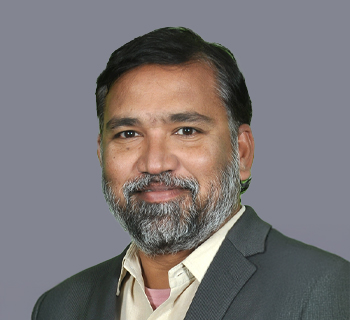
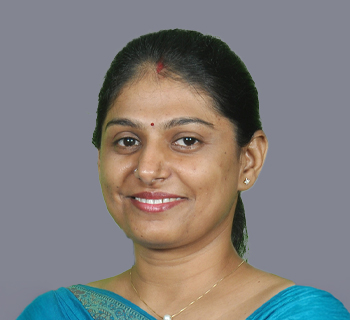
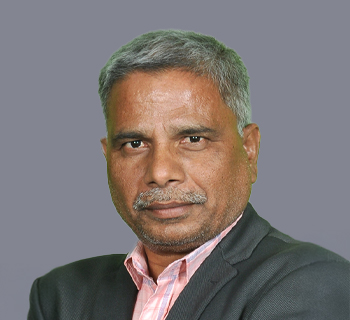
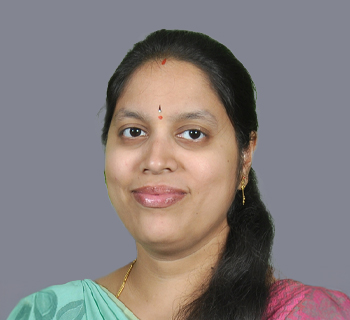
Infrastructure & Labs
The department houses three specialised laboratories designed to provide hands-on learning:
Chemistry Lab: Includes volumetric and instrumentation setups to support learning in drug preparation, material testing, and water analysis.
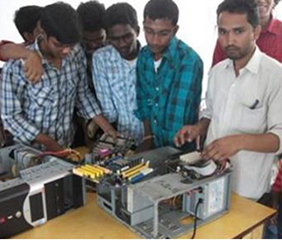
Physics Lab: Features equipment for applied and engineering physics, fostering practical understanding and scientific inquiry.
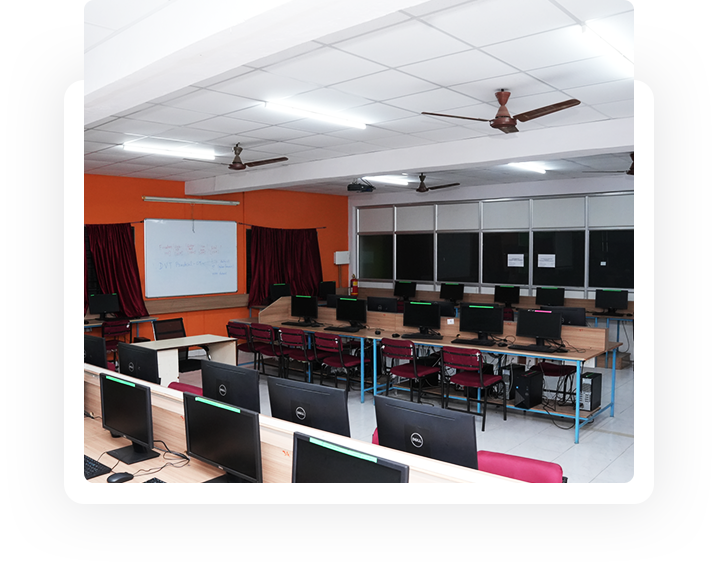
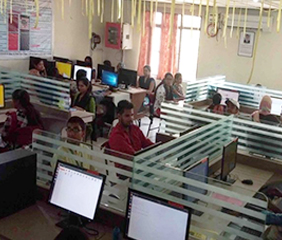
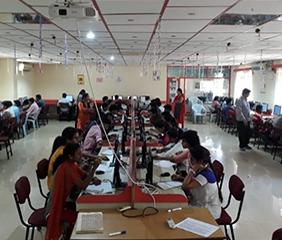
English Communication Skills Lab (ELCS/AECS): Equipped with 34 advanced computer systems, remote monitoring, and software like Globarena and K-Van Solutions to improve LSRW, business communication, and corporate readiness.

92+
Campus Interviews Conducted

156+
Campus Interviews Conducted

31+
Campus Interviews Conducted

500+
Campus Interviews Conducted
Our Tap Recuiters







Advisory Board Members
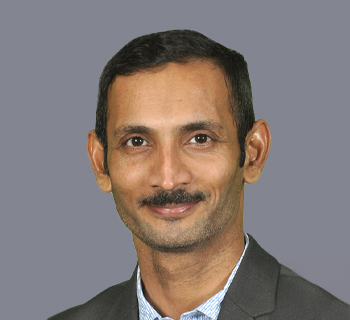
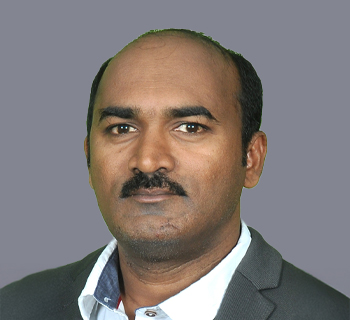
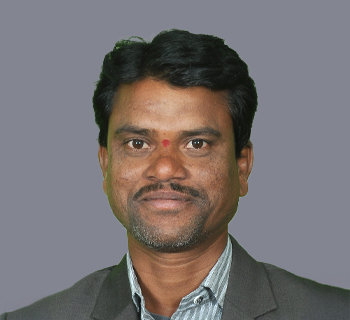
Department faculty
Dr.Ganti Krishna Sharma
See how to handle SVG images
Dr.Ganti Krishna Sharma
See how to handle SVG images
Dr.Ganti Krishna Sharma
See how to handle SVG images
Department faculty
Dr.Ganti Krishna Sharma
See how to handle SVG images
Dr.Ganti Krishna Sharma
See how to handle SVG images
Dr.Ganti Krishna Sharma
See how to handle SVG images
Dr.Ganti Krishna Sharma
See how to handle SVG images
Dr.Ganti Krishna Sharma
See how to handle SVG images
Dr.Ganti Krishna Sharma
See how to handle SVG images
Students
Dr.Ganti Krishna Sharma
See how to handle SVG images
Dr.Ganti Krishna Sharma
See how to handle SVG images
Dr.Ganti Krishna Sharma
See how to handle SVG images
Dr.Ganti Krishna Sharma
See how to handle SVG images
Dr.Ganti Krishna Sharma
See how to handle SVG images
Dr.Ganti Krishna Sharma
See how to handle SVG images
Parents
Dr.Ganti Krishna Sharma
See how to handle SVG images
Dr.Ganti Krishna Sharma
See how to handle SVG images
Alumni
Dr.Ganti Krishna Sharma
See how to handle SVG images
Dr.Ganti Krishna Sharma
See how to handle SVG images
Professional Bodies Members
Dr.Ganti Krishna Sharma
See how to handle SVG images
Dr.Ganti Krishna Sharma
See how to handle SVG images
Employers
Dr.Ganti Krishna Sharma
See how to handle SVG images
Dr.Ganti Krishna Sharma
See how to handle SVG images
Roll Of Honour

Suvidha Bandari
H : No : 20AG1A05G9
BATCH : 2020-2024

Suvidha Bandari
H : No : 20AG1A05G9
BATCH : 2020-2024

Suvidha Bandari
H : No : 20AG1A05G9
BATCH : 2020-2024

Suvidha Bandari
H : No : 20AG1A05G9
BATCH : 2020-2024
Suvidha Bandari
H : No : 20AG1A05G9
BATCH : 2020-2024
Events & Activities
No upcoming events found.
Frequently Asked Questions
What subjects are covered under Basic Sciences at ACE?
Why are basic sciences important in engineering education?
Are there practical labs in the HBS department?
How does HBS support communication and professional development?
Who teaches in the HBS department?
The department has a qualified team of PhD holders and postgraduates from diverse academic backgrounds committed to student development and research-based learning.