Computer Science and Engineering IoT
Why Choose CSE IoT at ACE?
The Department of CSE (Internet of Things) at ACE Engineering College was established with a sanctioned intake of 60 students to offer a specialised B.Tech programme that merges computer science fundamentals with IoT-driven applications. In today’s connected world, IoT has emerged as a revolutionary force across sectors such as healthcare, agriculture, smart cities, and automation. This department is designed to meet the growing demand for skilled professionals who can innovate, build, and manage intelligent systems through interconnected devices.
Students receive training in core areas like data structures, embedded systems, cloud computing, and IoT architecture—using industry-standard platforms like Raspberry Pi, Arduino, and cloud-based tools. The curriculum blends theoretical concepts with real-time applications through industry projects, internships, and state-of-the-art laboratories. Supported by experienced faculty, research-led learning, and industry tie-ups, the department equips students to lead in the dynamic IoT landscape.
Accreditation


Vision & Mission

Our Vision
We strive to empower our faculty and students to achieve unequalled brilliance as professionals in the dynamic area of the Internet of Things in order to promote a vibrant academic and research environment. This vision is driven by the belief that by nurturing talent and fostering innovation, we can make significant strides in advancing IoT and its applications.
Our objective is to prioritize:
- Excellence in Faculty
- Empowering Students
- Fostering Innovation
- Impacting Society
Our Mission
- One of our primary missions is to impart the necessary skills in students for building cutting-edge and innovative IoT applications with a deep understanding of IoT architecture, protocols, and technologies.
- Our college aims to teach students about the ethical implications of IoT, such as data privacy and security concerns, through value-added courses that promote ethical and social responsibility.
- New and effective curricula along with innovative teaching methods are designed to meet the ever-changing needs of the industry.
- We focus on promoting teamwork, societal responsibilities, and professionalism among our students and faculties. Through collaborative projects and community engagement, students gain the ability to work well in teams while also understanding the impact of their IoT applications on society.
- With technology constantly evolving, we create an environment for innovative thinking and self-learning.
Curriculum Syllabus
R20 Regulation
R22 Regulation
Program Education Objectives
Program Specific Outcomes (PSOs)
- Design and develop IoT-based applications using tools like Arduino, Raspberry Pi, cloud platforms, and IoT protocols.
- Apply knowledge of computer science and electronics to create intelligent, secure, and scalable interconnected systems.
Program Outcomes (POs)
- Engineering Knowledge: Apply the knowledge of mathematics, science, engineering fundamentals, and an engineering specialisation to the solution of complex engineering problems.
- Problem Analysis: Identify, formulate, research literature, and analyse complex engineering problems to reach substantiated conclusions using first principles of mathematics, natural sciences, and engineering sciences.
- Design/Development of Solutions: Design solutions for complex engineering problems and design system components or processes that meet the specified needs with appropriate consideration for public health and safety, and cultural, societal, and environmental considerations.
- Conduct Investigations of Complex Problems: Use research-based knowledge and research methods including design of experiments, analysis and interpretation of data, and synthesis of the information to provide valid conclusions.
- Modern Tool Usage: Create, select, and apply appropriate techniques, resources, and modern engineering and IT tools including prediction and modelling to complex engineering activities with an understanding of the limitations.
- The Engineer and Society: Apply reasoning informed by contextual knowledge to assess societal, health, safety, legal, and cultural issues and the consequent responsibilities relevant to the professional engineering practice.
- Environment and Sustainability: Understand the impact of the professional engineering solutions in societal and environmental contexts, and demonstrate the knowledge of, and need for sustainable development.
- Ethics: Apply ethical principles and commit to professional ethics and responsibilities and norms of the engineering practice.
- Individual and Team Work: Function effectively as an individual, and as a member or leader in diverse teams, and in multidisciplinary settings.
- Communication: Communicate effectively on complex engineering activities with the engineering community and with society at large, such as being able to comprehend and write effective reports and design documentation, make effective presentations, and give and receive clear instructions.
- Project Management and Finance: Demonstrate knowledge and understanding of the engineering and management principles and apply these to one’s own work, as a member and leader in a team, to manage projects and in multidisciplinary environments.
- Life-long Learning: Recognise the need for, and have the preparation and ability to engage in independent and life-long learning in the broadest context of technological change.
Faculty & Research

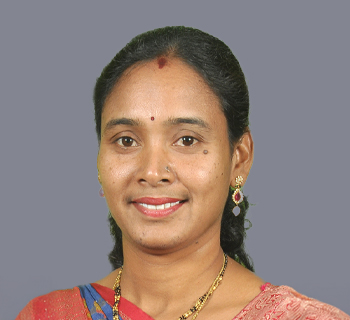

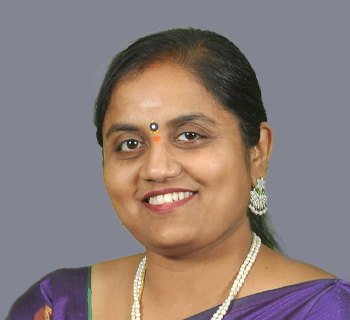
Infrastructure & Labs
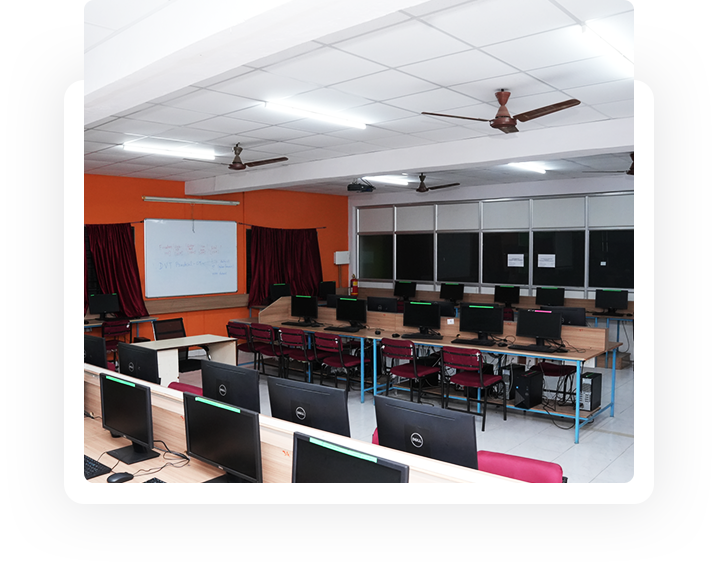
The CSE (IoT) Department offers extensive lab facilities that integrate both software and hardware for practical learning:
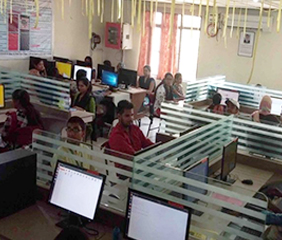
IoT Lab: Equipped with Raspberry Pi, Arduino kits, sensors, and actuators for end-to-end IoT application development.
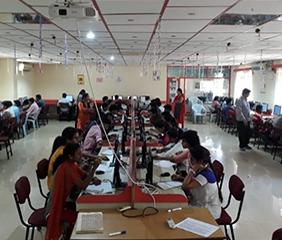
Data Structures Lab:Programming practice in linked lists, stacks, queues, trees, and graph algorithms.
Java Programming Lab: GUI design, exception handling, multithreading, and object-oriented programming using NetBeans/Eclipse.
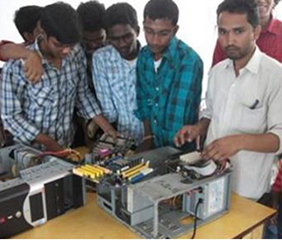
IT Workshop Lab: Hands-on experience in hardware assembly, dual OS installations, and basic troubleshooting.
Programming for Problem Solving Lab: Foundation in C programming covering control structures, functions, arrays, pointers, and file operations.

92+
Campus Interviews Conducted

156+
Campus Interviews Conducted

31+
Campus Interviews Conducted

500+
Campus Interviews Conducted
Our Tap Recuiters







Advisory Board Members
Head of the Department
Dr. K. Prem Kumar
HOD CSODepartment faculty
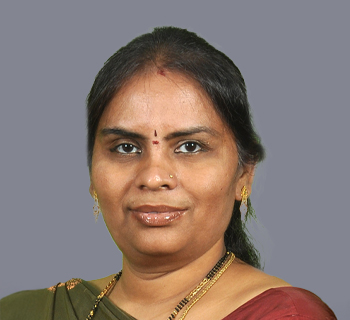
Mrs.T Rohini
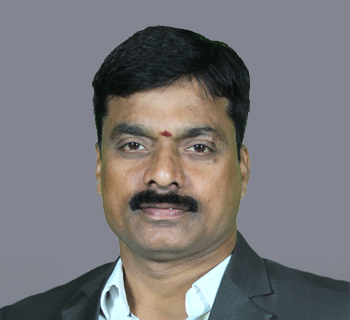
Assistant professorMr. V. Veeresh
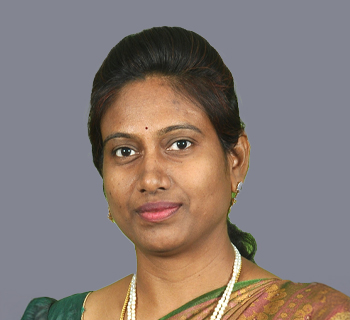
Assistant professorMrs. Y Durga Bhargavi
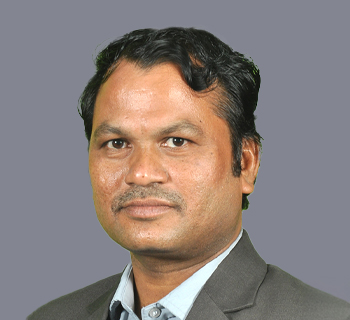
Assistant professorMr. A. Nagaraju
Assistant professorMrs P. Mamatha
Assistant professorMrs. E. UmaRani
Assistant professorStudents
Mr. Thella Karthik
IV CSOMs. Naraboina Vineel Krishna
III CSOMs. Lopelly Preethi
IV CSOMs. Belide Bhavani
III CSOParents
DMr. S Rajender Yadav
Manager ,Bharat DynamicsMr. Kalvakuntla Venkat Gopal
Limited (BDL) Private JobProfessional Bodies Members
DMohammed Jaffer Pasha
Senior Technical Trainer, TASK, TelanganaWg.Cdr.Srinivas
Regional Coordinator, CSI Hyderabad ChapterEmployers
Mr. K Sahadev
CEO, Soham Academy of Human ExcellenceMr. Phani Kishore
CEO and Co-founder, Gyana Astra Pvt. Ltd.Dr.ManjuLatha
Human Excellence Sr. Technical Robotic Engineer, Texoham Pvt. Ltd.Mr.Lolugu Jagadish
CEO, LI BLOCKS Pvt. LtdAlumni
Ms.K Sai Santhoshi
StudentMr. M Surya Suhaas
StudentRoll Of Honour

Chenagoni Sharath
H : No : 21AG1A6912
BATCH : 2021-2025

Ravilla Vasavika
H : No : 20AG1A6952
BATCH : 2020-2024
Events & Activities
No upcoming events found.